
What to Do If Someone Has a Seizure Signs Causes and When to Seek Help ftr Image

What to Do If Someone Has a Seizure: Signs, Causes, and When to Seek Help

25 Mar 2026 VNS

Seeing someone experience a seizure can be alarming, especially if it happens unexpectedly. Many people are unsure what they are witnessing or how to respond in the moment. While seizures can look dramatic, understanding what is happening and knowing when to seek medical care can make a significant difference.

Seizures are a neurological event caused by sudden changes in electrical activity in the brain. They can happen for many different reasons, and in some cases they may be part of a condition known as epilepsy.

At Hashwani Neurology & Neurophysiology Clinic, patients receive specialized care for seizures and epilepsy, with the goal of identifying the cause and helping patients safely manage their condition.

___________________________________________________________________

Recognizing the Signs of a Seizure

Seizures do not always look the same. Some involve full-body convulsions, while others may appear as brief episodes of confusion or staring.

In many cases, a person experiencing a seizure may suddenly lose awareness of their surroundings. They may fall, have uncontrolled movements, or become stiff and unresponsive. Other seizures may cause subtle symptoms such as lip smacking, repeated movements, or a brief pause in activity.

After a seizure, individuals may feel disoriented, tired, or confused for several minutes. Some may not remember what happened during the episode.

Because seizure symptoms vary widely, episodes are sometimes mistaken for fainting, panic attacks, or other medical conditions.

___________________________________________________________________

What Should You Do If Someone Has a Seizure?

If someone nearby experiences a seizure, the most important thing is to stay calm and focus on keeping them safe.

Move objects away that could cause injury and gently guide the person onto their side if possible. This position can help keep the airway clear. It is important not to place anything in the person’s mouth and not to try to hold them down during the seizure.

Most seizures stop on their own within a few minutes. After the seizure ends, remain with the person until they regain full awareness.

Emergency medical attention should be sought if a seizure lasts longer than five minutes, if another seizure begins shortly after the first, or if the person has difficulty breathing or is injured during the episode.

___________________________________________________________________

When Seizures May Be a Sign of Epilepsy

A single seizure does not necessarily mean someone has epilepsy. Seizures can sometimes occur due to fever, infection, head injury, or other temporary medical conditions.

However, when seizures happen repeatedly without a clear trigger, a neurological disorder such as epilepsy may be present. Epilepsy occurs when abnormal electrical activity in the brain causes recurrent seizures.

A neurological evaluation can help determine whether epilepsy or another condition is responsible for the seizures.

Patients experiencing repeated seizures may benefit from specialized epilepsy treatment in Sugar Land to help control symptoms and reduce seizure frequency.

___________________________________________________________________

Understanding the Causes of Seizures

Seizures can develop for many reasons, and identifying the cause is an important step in determining the right treatment.

Some seizures are linked to underlying neurological conditions such as traumatic brain injury, stroke, brain infections, or tumors. Others may be associated with genetic conditions or metabolic imbalances.

In some cases, seizures occur without a clearly identifiable cause. Even when the cause is not immediately obvious, diagnostic testing can help guide treatment decisions.

At Hashwani Neurology & Neurophysiology Clinic, neurological evaluations are designed to carefully assess symptoms and identify potential triggers or underlying conditions.

___________________________________________________________________

How Neurologists Diagnose Seizure Disorders

Diagnosing seizures typically involves a detailed review of the event itself, including what occurred before, during, and after the episode. Patients may also undergo neurological exams and specialized diagnostic testing.

Electroencephalography (EEG) is often used to measure electrical activity in the brain and detect patterns associated with seizure disorders. Brain imaging such as MRI or CT scans may also be used to identify structural causes.

This comprehensive evaluation helps determine whether seizures are isolated events or part of a broader neurological condition such as epilepsy.

___________________________________________________________________

Treatment Options for Seizures and Epilepsy

Many seizure disorders can be effectively managed with medication that stabilizes electrical activity in the brain. For many patients, treatment significantly reduces or completely prevents seizures.

In addition to medication, neurologists may recommend lifestyle adjustments that support brain health and reduce seizure triggers. Maintaining regular sleep patterns, managing stress, and avoiding certain triggers can play an important role in seizure prevention.

Each patient’s treatment plan is tailored to their specific diagnosis and medical history.

Patients seeking expert care can learn more about epilepsy treatment in Sugar Land provided by the specialists at Hashwani Neurology & Neurophysiology Clinic.

___________________________________________________________________

Specialized Seizure Care in Sugar Land

Experiencing a seizure can be frightening, but with proper evaluation and treatment, many people are able to successfully manage their condition and maintain an active lifestyle.

At Hashwani Neurology & Neurophysiology Clinic, patients receive personalized neurological care focused on identifying the cause of seizures, improving symptom control, and supporting long-term brain health.

If you or a loved one has experienced seizures, scheduling a neurological evaluation can help provide answers and guide the next steps toward effective treatment.
Vagus Nerve Stimulation

Is Vagus Nerve Stimulation Right for You? Key Considerations

4 Apr 2025 VNS

Is Vagus Nerve Stimulation Right for You? Key Considerations

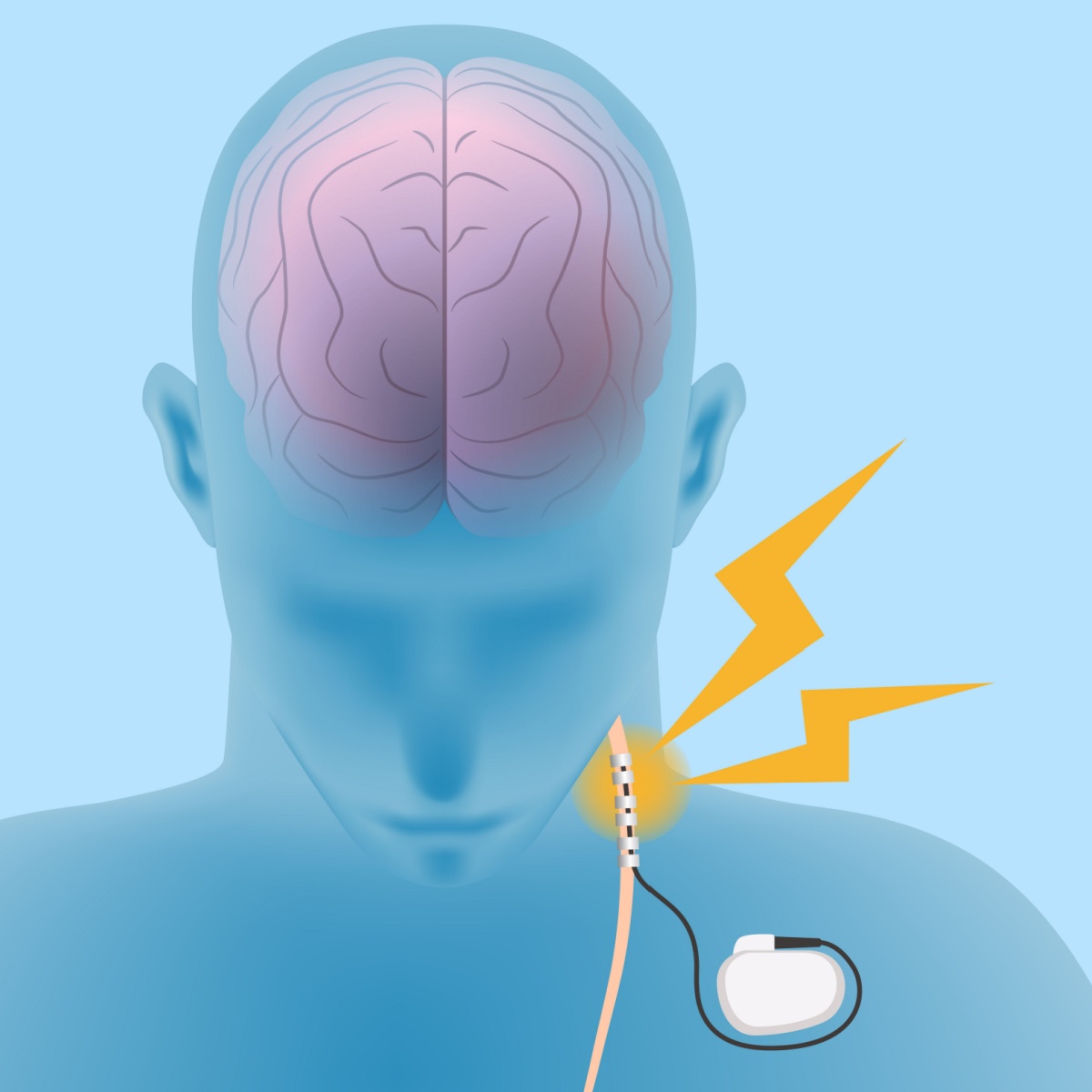
What is Vagus Nerve Stimulation (VNS)? Vagus Nerve Stimulation (VNS) is a minimally invasive therapy involving a small, pacemaker-like device implanted in the chest. It sends electrical pulses to the vagus nerve, which helps regulate functions like heart rate, digestion, and brain activity. This stimulation can help stabilize abnormal brain signals linked to epilepsy and depression.

Initially developed for epilepsy patients who don’t respond to medication, VNS is now also approved for treatment-resistant depression. Ongoing research is exploring its use in other neurological and psychiatric conditions.

For more detailed information on the device itself, see the Vagus Nerve Stimulator overview provided by the National Center for Biotechnology Information (NCBI).
____________________________________________________________________

Key Considerations for VNS Therapy

Before deciding if VNS is right for you, several factors should be taken into account. These include your overall health, the condition you’re seeking treatment for, and the potential benefits and risks of the therapy. Below, we break down these critical considerations.
_________________________________________________________________

Your Medical Condition

VNS therapy is primarily used for two conditions: epilepsy and treatment-resistant depression. Understanding how VNS can help with your specific condition is the first step in evaluating its suitability.
__________________________________________________________________

VNS for Epilepsy

VNS is primarily used for people with epilepsy whose seizures aren’t controlled by medication or other treatments. Consider the following:

  • Seizure Frequency: VNS may reduce seizure frequency in 30–40% of patients. If you experience frequent or severe seizures, it may offer relief.
  • Previous Treatments: Typically considered when medications or surgery haven’t worked.
  • Surgical Readiness: Since VNS requires implant surgery, candidates should be in good overall health to avoid complications.

____________________________________________________________________

Effectiveness

Epilepsy

VNS therapy has shown positive outcomes for individuals with drug-resistant epilepsy, though results vary by patient.

  • Seizure Reduction: Studies show that approximately 30–40% of patients experience a significant reduction in seizure frequency (by at least 50%) after VNS implantation.
  • Severity & Duration: Some individuals also report shorter, less intense seizures, even if the frequency remains unchanged.
  • Gradual Improvement: Benefits often increase over time. While some patients see results in months, others may take a year or more to notice meaningful change.
  • Quality of Life: VNS may also lead to improved alertness, better mood, and enhanced cognitive function between seizures.

____________________________________________________________________

Side Effects and Risks

Common Side Effects

Most side effects are mild and occur primarily when the device delivers stimulation.

  • Hoarseness/Voice Changes: This is the most frequently reported side effect due to stimulation of the vocal cords. It usually improves over time or can be managed by adjusting settings.
  • Throat Discomfort or Coughing: Some patients notice a tickling or tightening sensation in the throat during stimulation cycles.
  • Shortness of Breath: Mild breathing issues can occur, especially during physical activity when the device is active.

Serious Risks

Though less common, serious complications can occur.

  • Surgical Complications:
    • Infection at the incision site
    • Bleeding or poor wound healing
    • Nerve damage (rare)
  • Device Malfunction:
    • The generator or leads may fail or shift position, requiring surgical correction.
    • Some patients may need a revision or replacement due to hardware issues.

Long-Term Commitment

VNS isn’t a one-and-done procedure—it requires ongoing management and maintenance.

  • Follow-Up Appointments:
    • Initial post-op visits ensure proper healing and device function.
    • Regular check-ins are needed to fine-tune stimulation levels based on your response and any side effects.
  • Battery Replacement:
    • The device’s battery lasts 5–10 years.
    • Replacement is typically a simple outpatient procedure but still involves surgery.
  • Lifestyle Adjustments:
    • Avoid intense impact near the chest or neck where the device and leads are located.
    • Certain medical procedures (e.g., MRIs) may require special considerations or device deactivation.

You may be advised to carry a medical ID indicating you have a VNS implant.
___________________________________________________________________

Emotional and Psychological Factors

Expectations

Understanding the limits of VNS therapy is key to emotional readiness.

  • It may not eliminate symptoms entirely, but it can lead to meaningful improvement.
  • VNS often works gradually, requiring patience and realistic expectations.
  • Results vary, and some individuals may see minimal benefit.

Support System

A strong network can make a big difference in your VNS journey.

  • Family and Friends: Can offer encouragement, help monitor symptoms, and assist during recovery.
  • Mental Health Support: Working with a therapist or counselor can help you process changes, manage stress, and set realistic goals.
  • Peer Support: Talking to others with VNS implants can provide valuable insight and reassurance.

____________________________________________________________________

Alternative Treatment Options

Before choosing VNS, it’s important to explore and exhaust other treatment options.

For Epilepsy:

  • Anticonvulsant medications
  • Surgical treatments such as resective surgery or laser ablation
  • Dietary changes like the ketogenic diet

____________________________________________________________________

Conclusion: Is VNS Right for You?

Vagus Nerve Stimulation can be an effective option for treating epilepsy and treatment-resistant depression. But it’s not for everyone. Choosing VNS means weighing your condition, the potential benefits, risks, and the long-term commitment.

Talk to your healthcare provider to determine if it’s the right fit. With the right plan, VNS can offer meaningful relief when other treatments haven’t worked.
___________________________________________________________________

How Hashwani Neurology & Neurophysiology Clinic (HNNC) Can Help with VNS


At Hashwani Neurology & Neurophysiology Clinic (HNNC), we specialize in the diagnosis and treatment of neurological conditions, including candidates for Vagus Nerve Stimulation therapy. Our services include:

  • Advanced diagnostic tools like EEG, EMG, and NCS
  • Customized treatment plans for epilepsy, depression, and other neurological disorders
  • Expertise in evaluating and supporting VNS therapy, from consultation to post-implantation care

Contact Hashwani Neurology & Neurophysiology Clinic (HNNC)

If you or a loved one is considering VNS or dealing with a complex neurological condition, don’t wait. Early evaluation and expert guidance can make all the difference.

Schedule an appointment today to explore whether VNS is the right fit for your treatment journey.

Search

+